West Point Can Lead
West Point has a Duty to the nation to lead by example. To exercise the self-discipline to be energy self-reliant. Summary of what can be done. 2011 studies by cadets below:
- Summary
- Red Bull TV documentary on the future of transportation
- Rescue Rail for disaster and military logistics
- TEDxAtlanta
- Metrics
- Payback
- Tools: www.5x5FreeMarket.com, www.MeshMobility.com, www.PersonalizeTransit.com, www.10XMakers.com, www.JPods3D.com, www.WeClerk.com, the eco-system.
Duty: Presidents call for action to end foreign oil addiction
10 Presidents Declared Oil Addiction a Threat to National Security Every president from Nixon to Biden warned that foreign oil dependence — caused by federal highway policy — is a direct threat to national security. None ended it. American soldiers have been trading blood to buy time since 1990.
- President Richard Nixon, 1974. Foreign oil: 30% — Promised independence by 1980: “At the end of this decade, in the year 1980, the United States will not be dependent on any other country for the energy we need. We will hold our future in our hands alone.”
- President Gerald Ford, 1975. Foreign oil: 35.8% — Set deadlines. Missed all of them: “First, we must reduce oil imports by 1 million barrels per day by the end of this year and by 2 million barrels per day by the end of 1977. Second, we must end vulnerability to economic disruption by foreign suppliers by 1985.”
- President Jimmy Carter, 1979. Foreign oil: 43.1% — Called it a “clear and present danger”: “This intolerable dependence on foreign oil threatens our economic independence and the very security of our Nation. The energy crisis is real. It is worldwide. It is a clear and present danger to our Nation. These are facts and we simply must face them.”
- President Ronald Reagan, 1981. Foreign oil: 33.6%: “While conservation is worthy in itself, the best answer is to try to make us independent of outside sources to the greatest extent possible for our energy.”
- President George H.W. Bush, 1992. Foreign oil: 40.6% — Deployed soldiers to protect oil supply lines: “There is no security for the United States in further dependence on foreign oil.”
- President Bill Clinton, 1995. Foreign oil: 44.5% — Rising despite every previous warning: “The nation’s growing reliance on imports of oil…threatens the nation’s security…[we] will continue efforts to…enhance domestic energy production.”
- President George W. Bush, 2006. Foreign oil: 59.9% — The peak. “Addicted” was his word: “Keeping America competitive requires affordable energy. Here we have a serious problem. America is addicted to oil, which is often imported from unstable parts of the world.”
- President Barack Obama, 2010. Foreign oil: 49.2% — “For decades we have known”: “For decades we have known that the days of cheap and easily accessible oil were numbered…”
- President Donald Trump, 2017. Foreign oil: 33% — Fracking bought time, not a solution: “We will become, and stay, totally independent of any need to import energy from the OPEC cartel or any nations hostile to our interests.”
- President Joe Biden, 2022. Foreign oil: 33% — 48 years after Nixon’s promise: “This crisis is a stark reminder: To protect our economy over the long term, we need to become energy independent. I’ve had numerous conversations over the last three months with our European friends of how they have to wean themselves off of Russian oil. It’s just not tenable. It should motivate us to accelerate the transition to clean energy.”
Duty Failure Consequence: Oil wars since 1990
Every generation since 1990 has fought wars over oil. The pattern is clear. The cost is not.
- 1990 Gulf War — Iraq invades Kuwait. US deploys 700,000 troops to protect oil supply.
- 2001 Afghanistan — War on Terror begins. Strategic pipeline routes and regional energy security.
- 2003 Iraq War — $2 trillion spent. 4,500 US dead. Iraq holds world’s 5th largest reserves.
- 2011 Libya — NATO intervention. Africa’s largest reserves destabilized.
- 2014 ISIS seizes Iraqi oil fields. Oil funds the caliphate.
- 2022 Russia invades Ukraine. Energy weaponized. European gas prices 10x.
- 2026 IEA Chief: current energy crisis worse than 1973, 1979, and 2022 combined.
2006 to 2026, West Point Effort
West Point’s resistance to change: Background
Robots are to current weapons as current weapons are to flint knives. In 2006, efforts began to get West Point to engage in the transition to robots. Ukraine, China, and Iran are currently leading in this paradigm shift in national security.
West Point’s resistance to innovation is exemplified by the following:
- BG Billy Mitchell was court-martialed for pushing the Army to adopt fire support from aircraft.
- West Point ended horse cavalry training in 1947 while having only a couple small planes 15 miles away at Stewart Field.
- Resistance to innovation of fire support from aircraft was so great that the Principle of War of Unity of Command was violated; fire support from aircraft was made into a separate branch of service.
1960, April 6 – mistake without retrospection
President Eisenhower, with studies by his classmate MG Bragdon, realized the Interstate Highways were a mistake.
“The matter of running Interstate routes through the congested parts of the cities was entirely against his original concept and wishes; that he never anticipated that the program would turn out this way. He pointed out that when the Clay Committee Report was rendered, he had studied it carefully, and that he was certainly not aware of any concept of using the program to build up an extensive intra-city route network as part of the program he sponsored. He added that those who had not advised him that such was being done, and those who had steered the program in such a direction, had not followed his wishes.”
Memorandum for the Record — Meeting in the President’s Office, April 6, 1960, 10:35 AM
Eisenhower Presidential Library
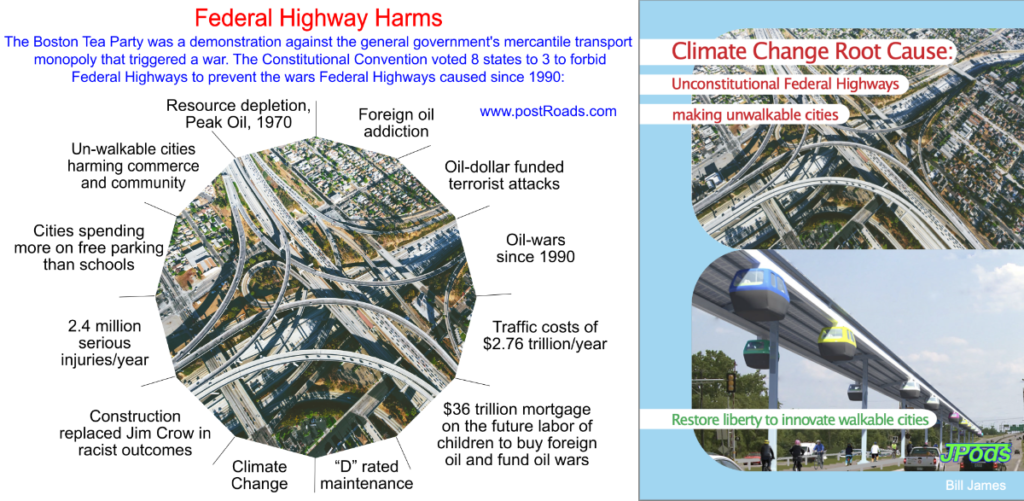
45% of 470 ton-mpg railroads were being replaced by highways, and the pedestrian economic engine at the heart of cities was being sliced up by linear barriers to commerce and community. Racist construction policies in low-income neighborhoods was implementing Jim Crow even in northern states.
The foreign oil addiction mandated by Interstate Highways resulted in 10 presidents issuing unanswered calls to action to end foreign oil addiction. American soldiers have been expending blood in oil wars since 1990 to buy time for America to answer these presidents’ calls to action. Root Cause of oil war and Climate Change
1998 JPods
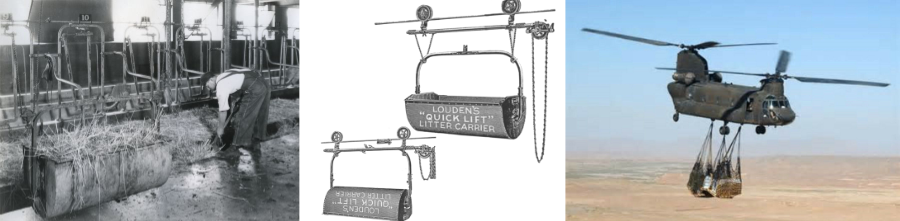
A West Point education, infantry experience, and farm experience combined to invent and patent solar-powered transport networks to replace 60-80% of urban road traffic. Grade-separation of suspended payloads approach the 470 ton-mpg efficiency of freight railroads (Watt-hours/passenger-mile: bikes 15, JPods 78, walking 116, motorcycles 545, commuter rail 881, cars 1,032, buses 1,245, and taxis 4,204). Barn cleaner used as a child and cargo nets used in the Infantry.
JPod’s US patent is for the invention of solar-powered transport networks. The Physical Internet® improves on the Morgantown PRT in two important ways (6,810,817):
- Robots on grade-separated guideways: “A method of controlling a transportation System for moving people, freight, and any combination whereof using a distributed network of intelligent devices without requiring the aid of a human driver”
- Networks are solar-powered: “The method… providing… Solar and wind power generators integrated into the physical Structure of Said transportation System….”

Cargo: Patent-Automated Guideways Facilitating 3-Tiered Cargo Shipments-#63/706,634, 19/356,062
Energy: Energy Self-reliant of Automated Guideway Transit Networks: 63/706,637, 19/356,011
Data centers: Powering Distributed Data Clusters using Automated Guideway Transit Networks, 63/921,369, 73259682
Disasters: Temporary Implementations of Automated Guideway Transit Networks: 63/706,638 19/356,061
Borders: Border Support and Security using Automated Guideway Transit Networks, 63/768,958
FROGs: Factories Roving Over Ground (FROGs)
LADS: Layered Aerostat Defense Swarm (LADS)
West Point, 2006
In 2006, cadets provided this quote from their Systems Engineering text.
United States Military Academy, West Point, NY
System Engineering: Decision Making in Systems Engineering and Management
by, Gregory S. Parnell, Ph.D., Editor
by, Patrick J. Driscoll, Ph.D., Editor
by, Dale L. Henderson, Ph.D., Design Editor
In fact, one of the most significant failings of the current U.S. transportation system is that the automobile was never thought of as being part of a system until recently. It was developed and introduced during a period that saw the automobile as a standalone technology largely replacing the horse and carriage. So long as it outperformed the previous equine technology, it was considered a success. This success is not nearly so apparent if the automobile is examined from a systems thinking perspective. In that guise, it has managed to fail miserably across a host of dimensions. Many of these can be observed in any major US city today: oversized cars and trucks negotiating tight roads and streets, bridges and tunnels incapable of handling daily traffic density, insufficient parking, poor air quality induced in areas where regional air circulation geography restricts free flow of wind, a distribution of the working population to suburban locations necessitating automobile transportation, and so on. Had the automobile been developed as a multilateral system interconnected with urban (and rural) transportation networks and environmental systems, U.S. cities would be in a much different situation than they find themselves in today.
What is important here is not that the automobile could have been developed differently, but that in choosing to design, develop and deploy the automobile as a stand alone technology, a host of complementary transportation solutions to replace the horse and buggy were not considered.
The United States Military Academy at West Point has a long and effective history of engineering excellence and dedication to the nation. The institution has no affiliation with JPods except to tinker with sustainable infrastructure ideas as part of the mission to produce leaders for the nation.
JPods founders are West Point graduates. Their efforts to re-tool to sustainable infrastructure started in 1998 to end foreign oil addiction. Those efforts were founded in their West Point education and the duty to sever the nation regardless of the lack of short term profits.
West Point, 2011
The following text reference and studies by cadets are provided as is examples of efforts to understand and implement sustainable infrastructure.
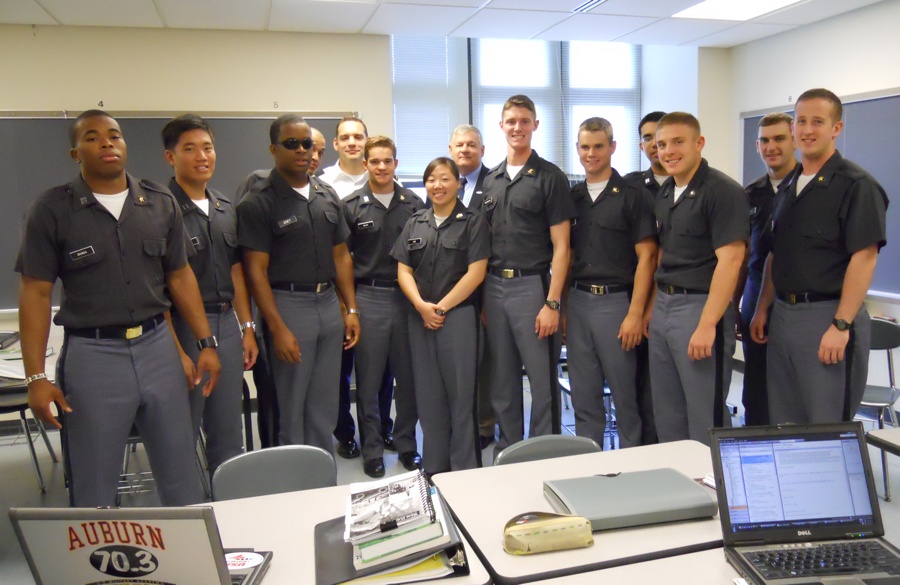
These project studies were conducted by non-engineering students as part of their Systems Engineering requirements.
Alternative Networks
A physical version of the Internet is coming with high speed networks such as Hyperloop, commuter-ranged networks like JPods, last-mile and specialty solutions such as self-driving cars and drones. Here is a link to news on these developments. Below is a video of JPods network contracted for in Shaxian, China.
Cadet Systems Engineering Projects
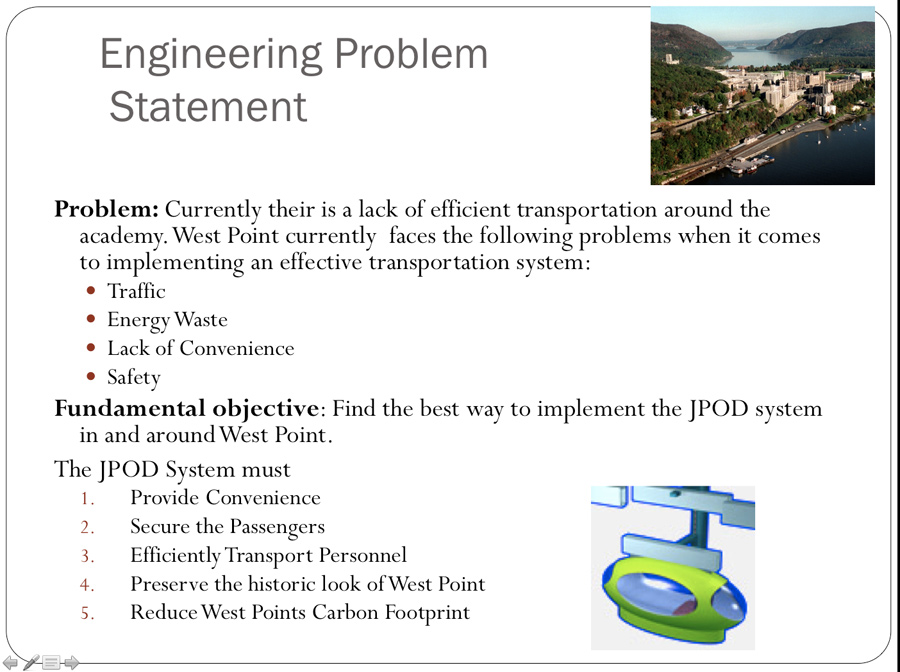
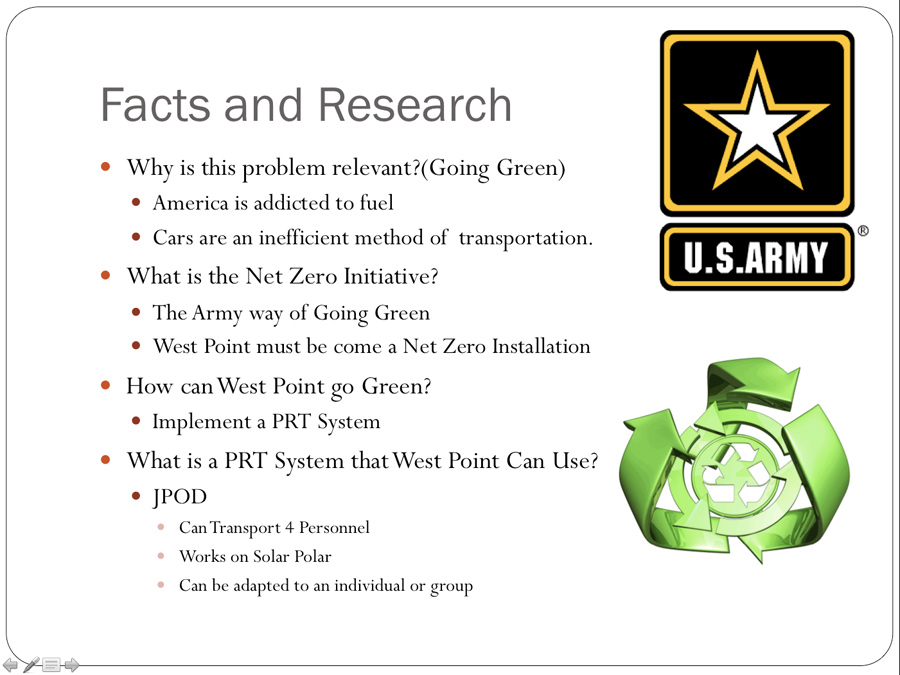
B1G
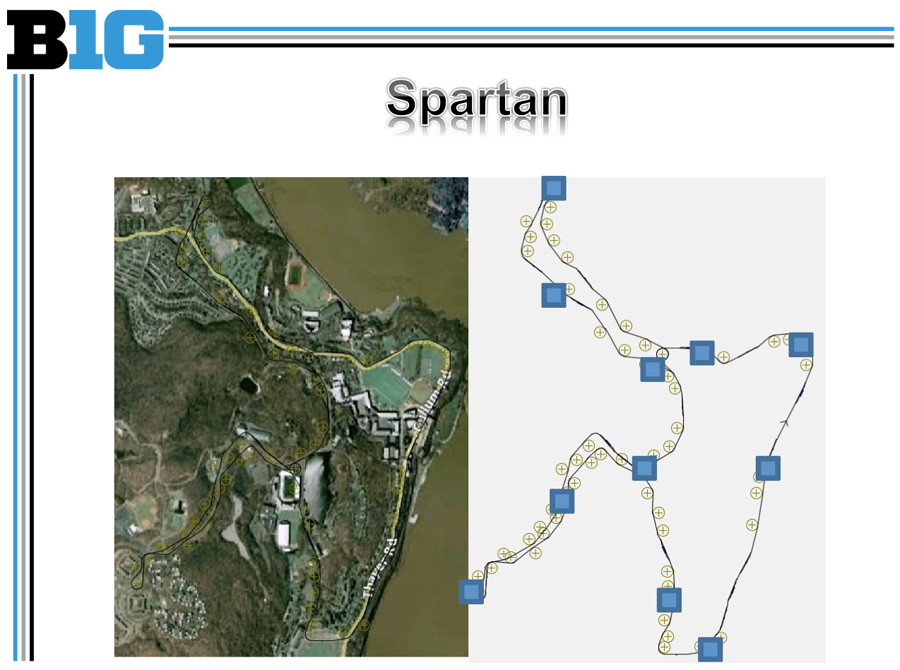

Decision Makers

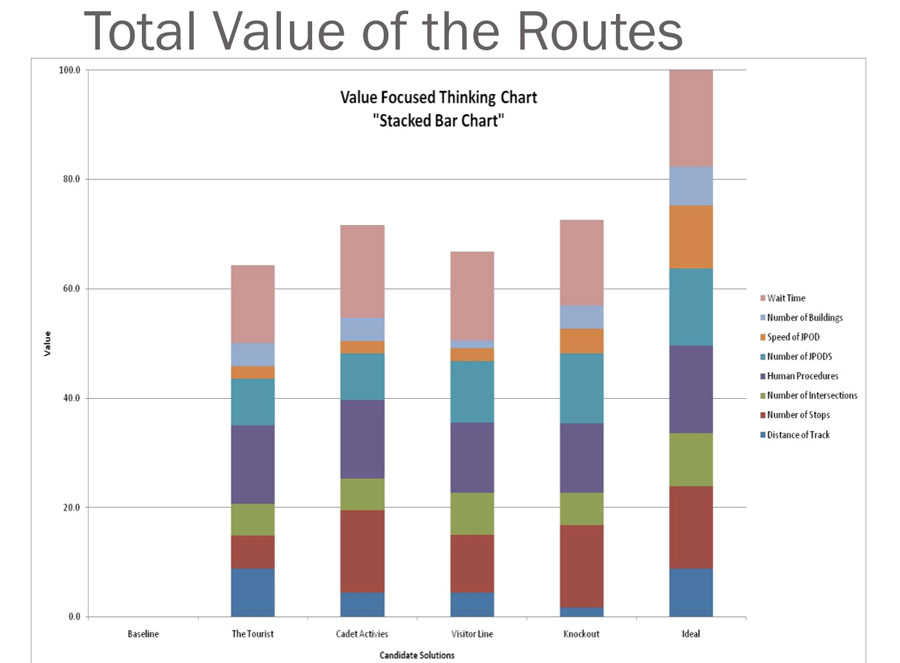
Dream Team
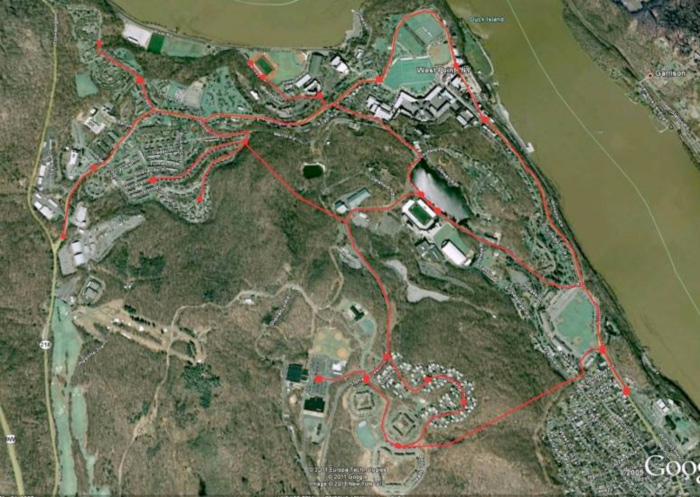
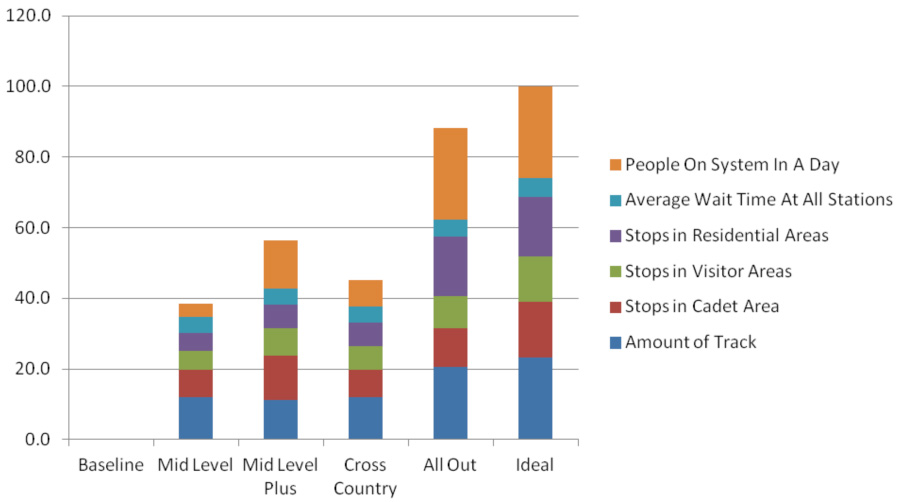
Additional background
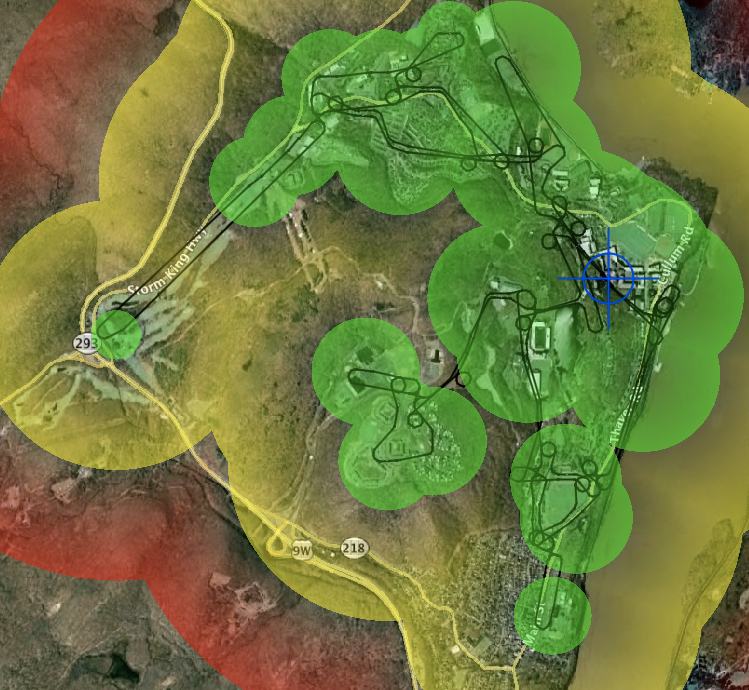
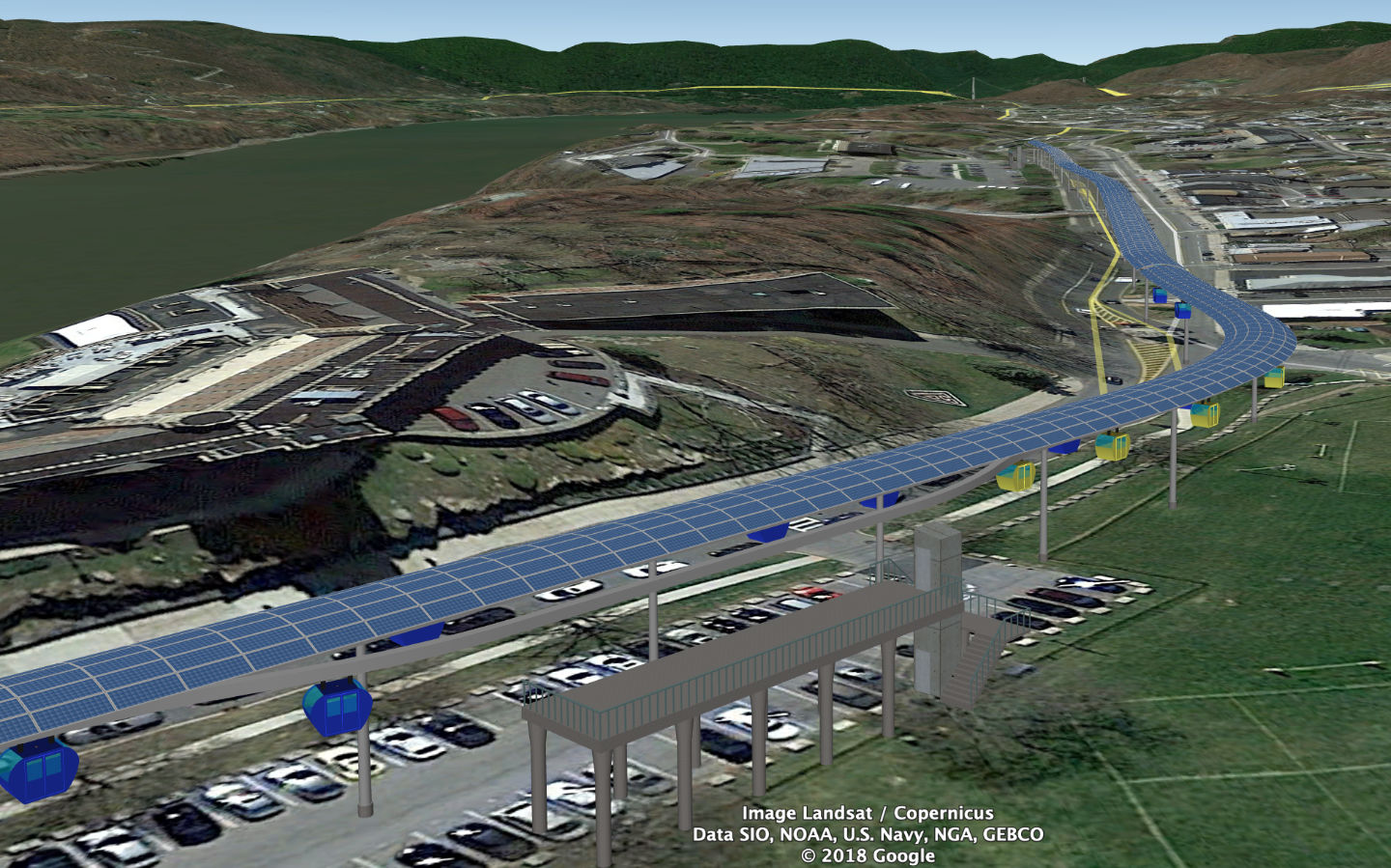
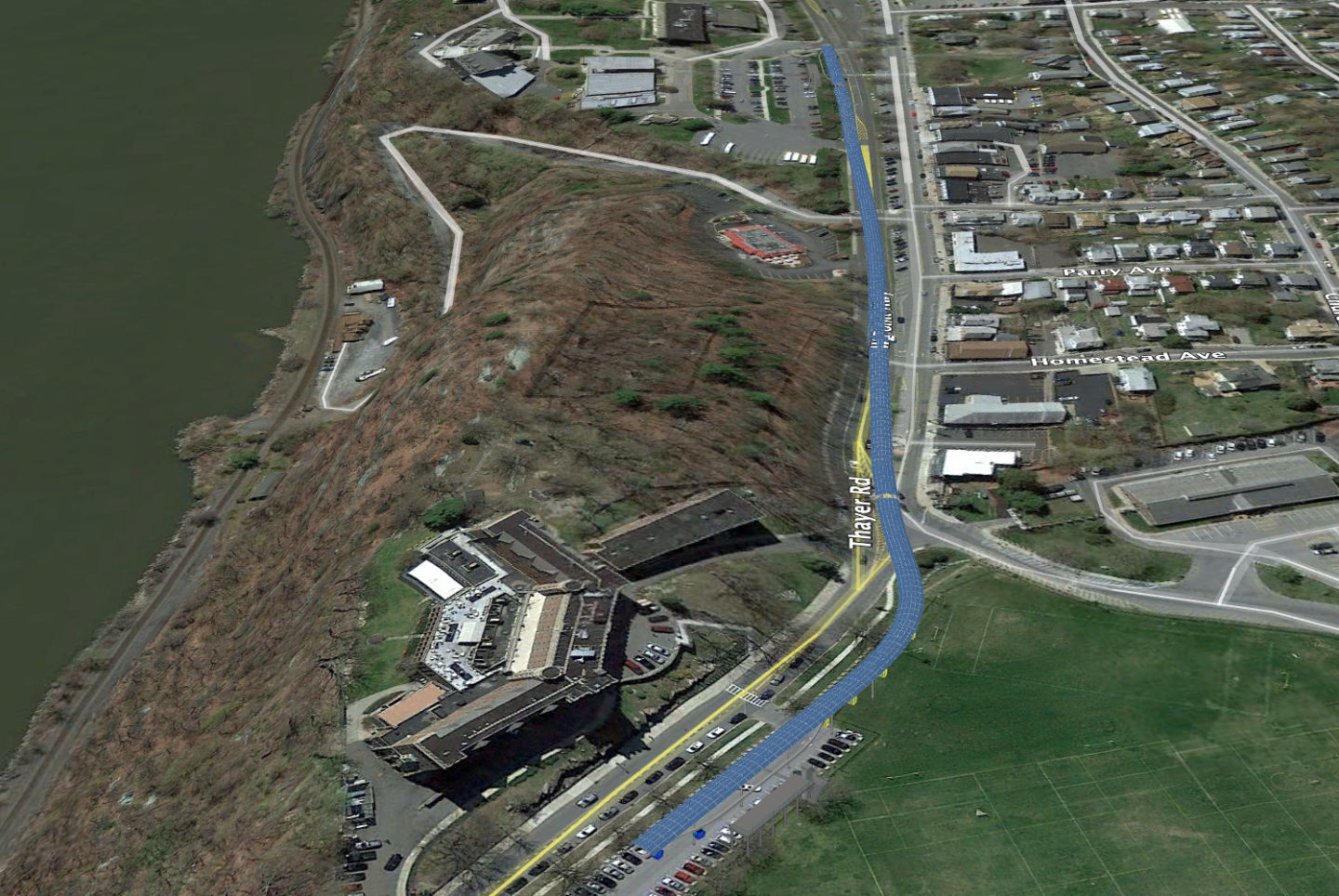
Rough estimate of a network to manage people, cargo and trash for the post. From the Blue cross, Green is 10 minutes, Yellow is 20 minutes and Red is 30 minutes. Time is for travel, ticketing and walking time. At the center of each circle is a station.
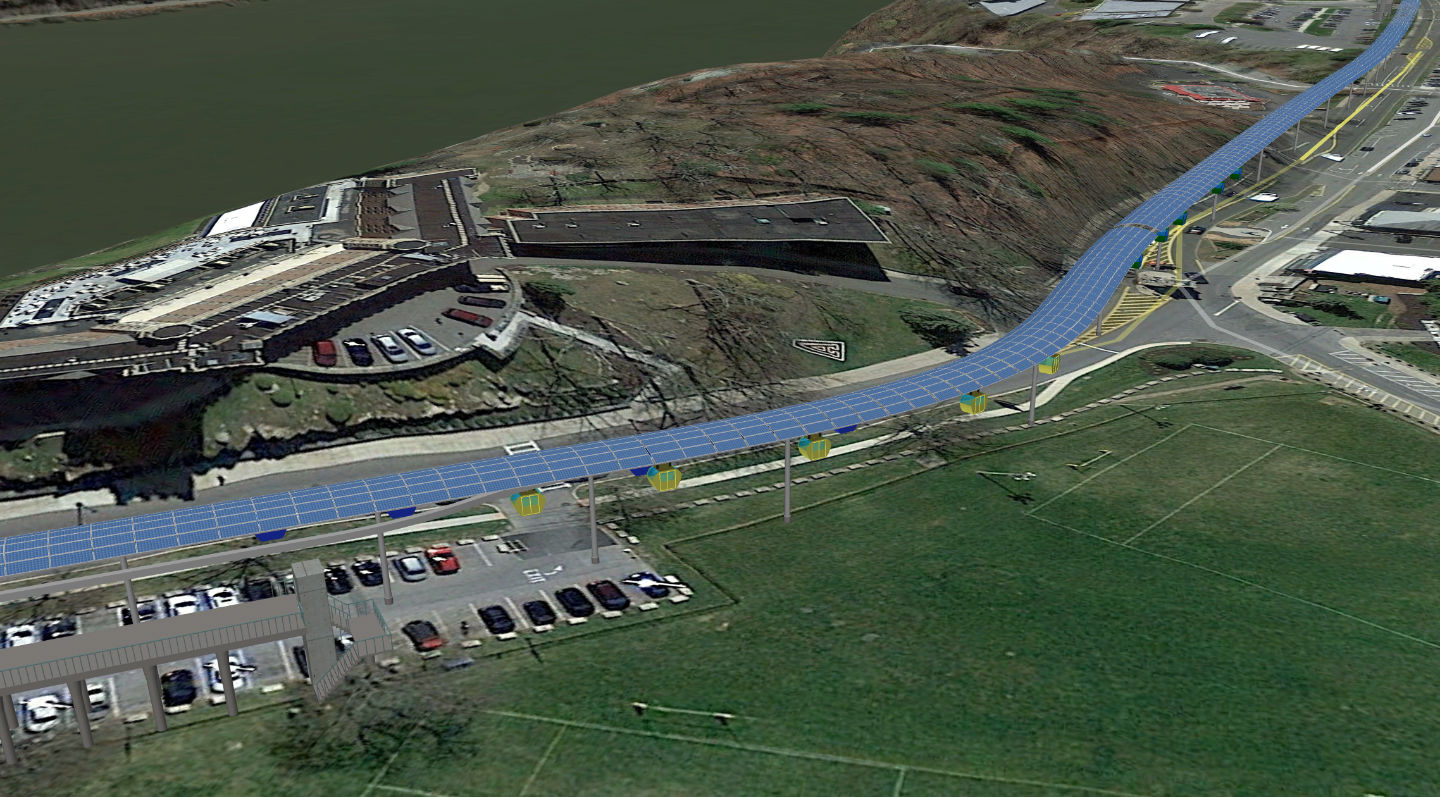
Visitor Center to Thayer Hotel
2025 Proposal
Proposal to Highland Falls and West Point.
Eisenhower Library, Oval Office, April 6, 1960, running Interstates through congested cities was “entirely against his original concept and wishes.”
Europe similarly adopted highways until the 1973 Oil Embargo. From the same 43 MWh of oil use per person and safety record in 1973, Sweden and Denmark cut oil use to 60% below the US and roadkills to 400% below the US.
Foreign oil addiction resulted. Congressional study notes government policies block innovation for “four to six decades.”
Since 1990, American soldiers have been buying time with blood because of the resulting foreign oil addiction. Unanswered calls to action to end this addiction by every President Nixon.
West Point can lead the nation in answering the call to action by Presidents to end foreign oil addiction. At the same time, robots are to current weapons as current weapons are to flint knives; West Point can be come a leader in understanding and adapting to applying robots to national defense.
2026
West Point’s responsibility for foreign oil addiction
VP Al Gore’s father pushed to expand, and President Eisenhower signed into law The Federal-Aid Highway Act of 1956 to implement a Top-Down central planning of the economy around Federal highways.
- Foreign oil addiction created by Federal highways has rebuilt a known path to war, Iraq, Afghanistan, etc….
- MG Bragdon’s (retired, ’15) Committee reports to President Eisenhower on the harms of The Federal-Aid Highway Act of 1956.
- 45% of 470 ton-mpg railroads were replaced by government subsidized highways burning energy moving 2-tons to move a person with the 25-mpg efficiency of the Model-T.
- The Constitutional Convention voted 8 state to 3 to forbid such highways on Sept 14, 1787 to prevent the Federal mercantile transport monopoly we have today. The Boston Tea Party had been a demonstration against the general government’s mercantile transportation monopoly that triggered a war.
- This vote was explained during ratification in Federalist #45 and by Madison in Congress in 1792.
- 21 Presidential veto messages were issued to enforce that states are soveriegn over “internal improvements”.
- Jefferson Davis moved the “post Roads” and “No Preference” clauses of the US Constitution into the Commerce Clause of the Confederate Constitution.
- 10 of the last 10 Presidents issueing unanswered calls to action to end foreign oil addiction because of their direct threat to national security.
National Security Threat
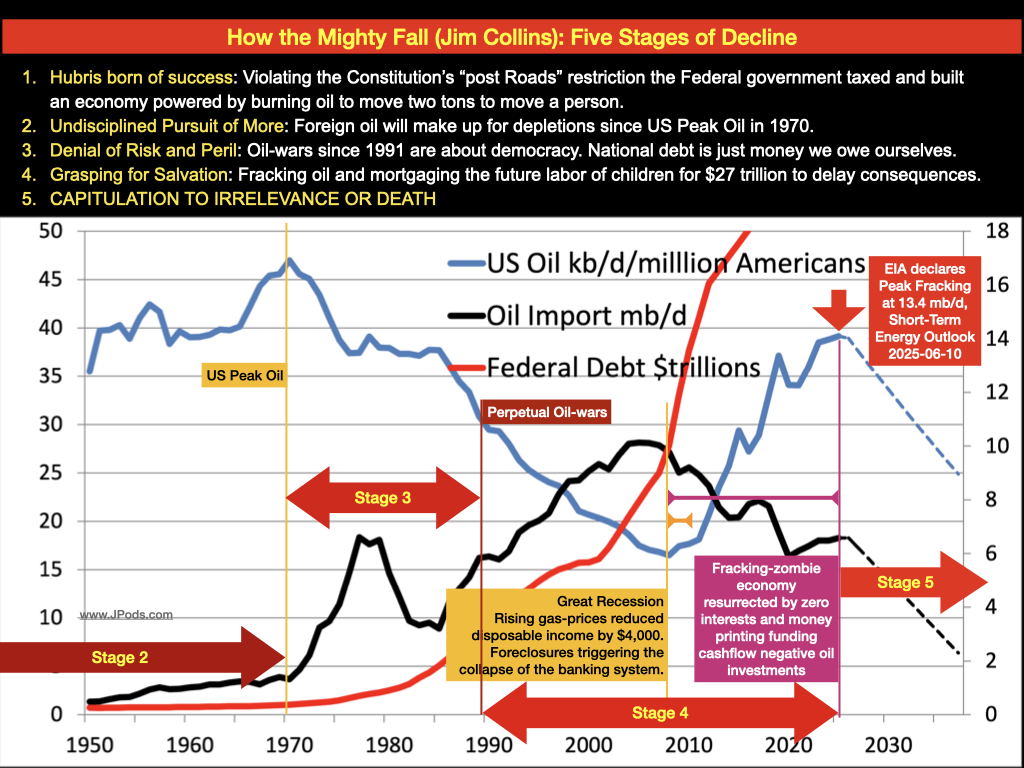
Life requires energy. There is vast amounts of oil, but affordable oil is finite and mostly gone. Oil-war have been nearly perpetual since 1991.
This end for affordable oil has been well understood since US Peak Oil was forecast in the 1950s. Quote from Admiral Rickover’s 1957 “energy slave” speech:
Fossil fuels resemble capital in the bank. A prudent and responsible parent will use his capital sparingly in order to pass on to his children as much as possible of his inheritance. A selfish and irresponsible parent will squander it in riotous living and care not one whit how his offspring will fare.
For it is an unpleasant fact that according to our best estimates, total fossil fuel reserves recoverable at not over twice today’s unit cost, are likely to run out at some time between the years 2000 and 2050, if present standards of living and population growth rates are taken into account.
Today the automobile is the most uneconomical user of energy. Its efficiency is 5% compared with 23% for the Diesel-electric railway. It is the most ravenous devourer of fossil fuels,
US Peak Oil was in 1970. Between 1970 and 2008 national debt and oil imports increased in tandem.
- EIA report June 10, 2025, this updated their April warning of US Peak Fracking in 2027 and “Production to fall rapidly from 2030 through 2050“
- OilPrice.com: EIA Calls Peak Shale as Drilling Activity Declines
- Bloomberg: Shale Drillers in Permian Basin Face Up to the Prospect of Peak Output
- Forbes: Peak Oil In America: ‘Drill, Baby, Drill’ May Be Hitting A Wall
- Wall Street Journal: U.S. Drillers Say Peak Shale Has Arrived
- Dallas Federal Reserve survey of oil companies cited comment: “Shale core exhaustion and inventory concerns are mainstream and well-documented issues. Shale will likely tip over in five years, and U.S. production will be down 20 to 30 percent quickly. When it does—this feels like watching the steam roller scene in Austin Powers. Oil prices in the late 2020s will be something to behold.”
Pollution from burning oil may be tipping the balance of nature as noted in the Pentagon’s Abrupt Climate Change Study.
Fracking Boom went bankrupt in 2020 losing ~$350 billion. U.S. oil producers on pace for most bankruptcies since last oil downturn
Joint Forces Command’s Joint Operating Environment 2010 (JOE-2010) warning to all US military commands seems to be unfolding between Russia and Ukraine:
“By 2012, surplus oil production capacity could entirely disappear, and as early as 2015, the shortfall in output could reach nearly 10 million barrels per day.”
“A severe energy crunch is inevitable without a massive expansion of production and refining capacity. While it is difficult to predict precisely what economic, political, and strategic effects such a shortfall might produce, it surely would reduce the prospects for growth in both the developing and developed worlds. Such an economic slowdown would exacerbate other unresolved tensions, push fragile and failing states further down the path toward collapse, and perhaps have serious economic impact on both China and India. At best, it would lead to periods of harsh economic adjustment. To what extent conservation measures, investments in alternative energy production, and efforts to expand petroleum production from tar sands and shale would mitigate such a period of adjustment is difficult to predict. One should not forget that the Great Depression spawned a number of totalitarian regimes that sought economic prosperity for their nations by ruthless conquest.”
“Energy production and distribution infrastructure must see significant new investment if energy demand is to be satisfied at a cost compatible with economic growth and prosperity.”
“The discovery rate for new petroleum and gas fields over the past two decades (with the possible exception of Brazil) provides little reason for optimism that future efforts will find major new fields.”
Foward by General James N Mattis
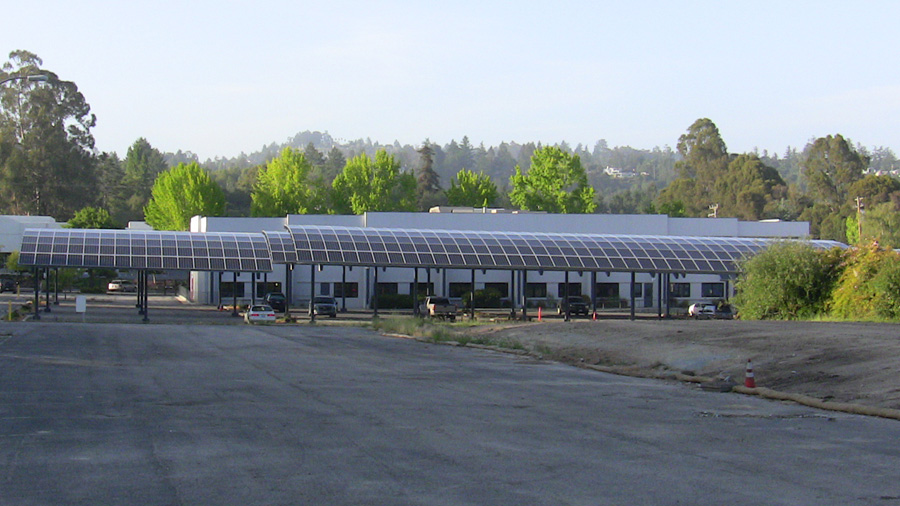
Examples of solar collector systems designed for deployment over JPods rails applied to the parking lot at Plantronic’s Headquarters in Santa Cruz, CA
Over the JPods rails, collectors will typically be 4 meters wide, this unit is 6.7 meters. It is practical and 10 times less expensive to solar-power urban transportation.